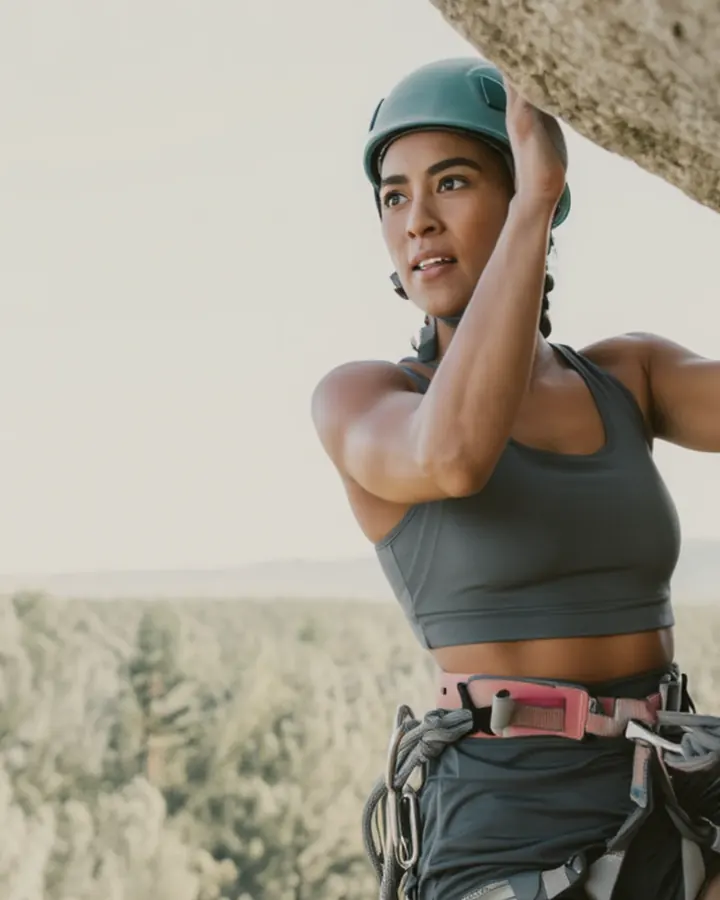
I want to get back to training. Where does BPC-157 fit?
In this article
Maybe you want your first mountain weekend in months, a full day in the water, or the freedom to say yes when friends make plans. Those goals belong in your recovery plan.
If BPC-157 has caught your attention, start with the evidence for your specific injury and what returning to activity would involve. Early findings are worth understanding, while reliable human evidence of faster injury healing remains limited. “Recovery” should mean something you can recognize in your life.
Name the activity you want back
“I want my knee to feel better” is a starting point. “I want to hike downhill with a backpack and feel able to do it again the next day” gives your care team more to work with.
Bring the details that make your goal different from a routine workout: uneven ground, carrying gear, repeated stairs, long travel days, or being somewhere you cannot easily turn around. Include the date if a trip is booked. That date is useful planning information, even when the body does not share the itinerary.
Ask which parts of that activity you are ready for now and which still need preparation.
What does the human BPC-157 research tell us?
A 2021 retrospective report followed 16 people after knee-joint injections of BPC-157, alone or with TB4. Most reported pain improvement. It did not establish tendon repair or faster return to activity. Original knee report.
That distinction helps you evaluate a proposal. Ask whether the supporting study matches your diagnosis, route of administration, and goal. A useful answer should explain what was measured and what remains uncertain.
Our BPC-157 evidence guide examines the human research in more detail. Use it to turn “I heard it helps recovery” into a specific conversation about your situation.
Feeling better is one part of being ready
Return-to-sport guidance describes a progression from participating again to returning to the sport and, eventually, the level of performance you want. That framework makes room for function, confidence, and the demands of the activity. Return-to-sport consensus.
For a recreational hiker, those stages might mean joining a short outing, completing a familiar route, then returning to a demanding trip. This is an illustration to discuss with your clinician, not a clearance checklist.
If pain has improved but you are unsure what that means, read pain relief versus healing. Ask what else your clinician wants to assess before the next step.
Build a return plan around real conditions
Ask your clinician or physical therapist to translate the activity into manageable stages. A useful plan answers practical questions:
- Which movements or tasks should I work on first?
- What would show that I am ready to increase the challenge?
- Which symptoms mean the plan needs changing?
- How should I account for work, caregiving, and other activity that same week?
Discuss an alternative version of the trip, too. A shorter route, a different activity, or a day without carrying equipment can preserve parts of the experience you care about. The point is to make choices deliberately, with your current capabilities in view.
Keep the route and the product clear
When someone recommends “BPC,” get the complete proposal: the ingredient, preparation, administration route, and reason for choosing it. Our oral versus injectable BPC-157 comparison explains why those details matter.
FDA’s 2026 review identified substantial evidence gaps for common BPC-157 routes and insufficient human safety information. FDA briefing.
The safety guide covers those questions separately. If you are reviewing AnthologyRX’s BPC-157 treatment page, bring the exact product information into your care discussion rather than relying on the peptide’s name alone.
Decide how you will recognize progress
Choose a few observations you can repeat under similar conditions. Your care team might want to follow a particular movement, an activity duration, or a functional measure specific to your injury.
Write down the context as well as the result. Did you change the route, take more breaks, reduce your workload, or start a different rehabilitation program? Those changes help explain the experience. A good day is useful information; it does not identify which part of a multi-part plan caused it.
Agree on a review point before beginning a new intervention. Ask what improvement would justify continuing, what would prompt reassessment, and who you should contact between visits.
Bring a short, specific brief to your appointment
You do not need a presentation. A few lines are enough:
- The goal: The activity you want to return to, including any upcoming plans.
- The current limit: The task that is difficult, rather than only a pain score.
- The history: The diagnosis, previous care, and what changed with each approach.
- The proposal: Any peptide, medication, supplement, or program you are considering.
- The decision: What you want help choosing today.
Finish with a direct question: “What would you prioritize if this were the activity I wanted back?”
Questions people ask
Does a positive recovery story mean it will work for my injury?
It gives you a question to investigate. Ask what else changed during that person’s recovery and whether there is relevant human research for your diagnosis. A personal story cannot make that comparison for you.
What if I already have a trip booked?
Tell your care team early. Ask for a realistic assessment of the planned activities and options for adapting them. A booking date should inform the discussion without becoming the only reason to advance activity.
Should I ask about BPC-157 even if I am already in physical therapy?
You can bring the question to the clinician managing your injury. Share the proposed product and ask how it would fit the existing plan, what evidence supports adding it, and how any change would be evaluated.
If pain medicines are part of your current routine, our NSAID and gut-health guide explains a separate question worth discussing with the prescriber.